

01
Composition
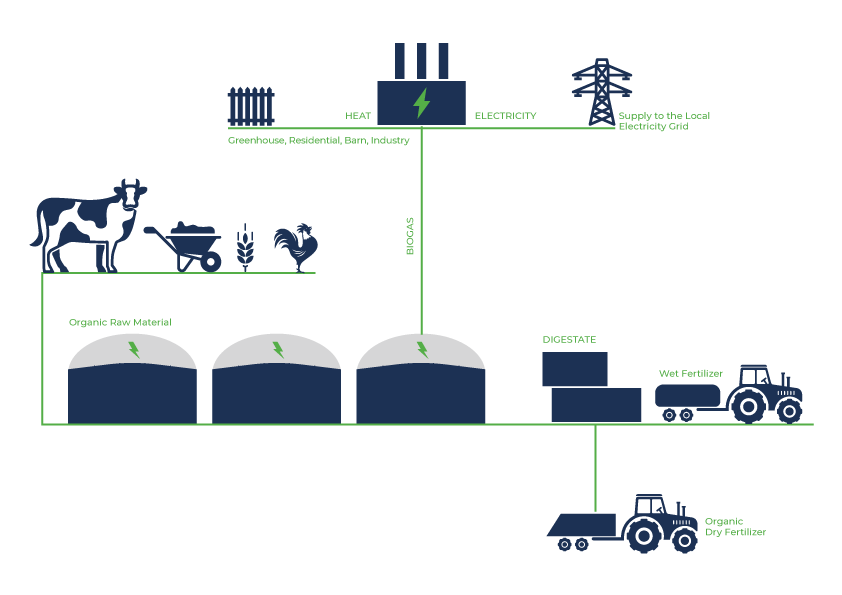
Once the required feedstock mix is prepared, it is pumped into the fermentation tanks.
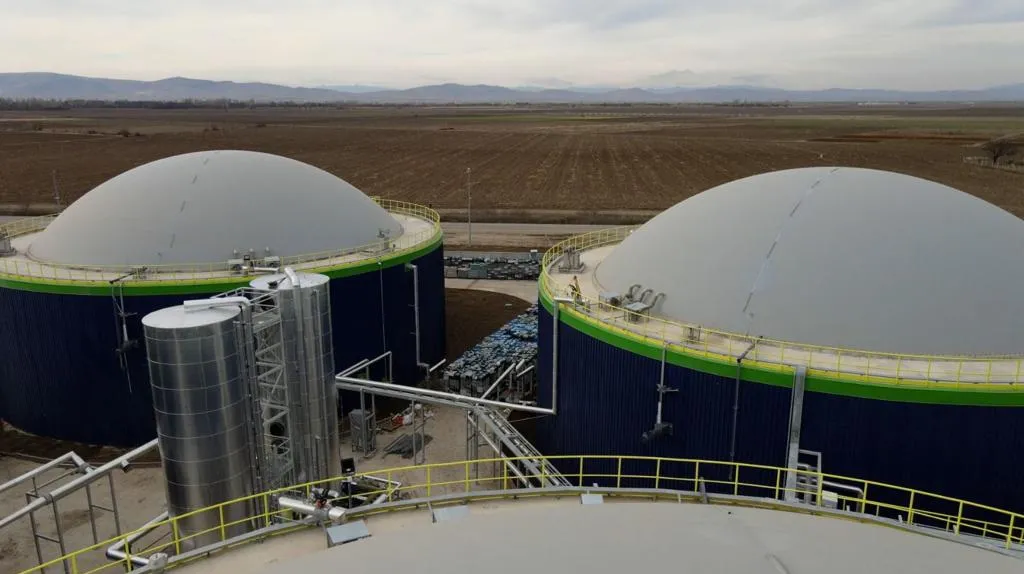
Biogas is produced through the breakdown of organic matter in the absence of oxygen — a process known as anaerobic digestion.
Organic materials like manure, food scraps, crop residue or wastewater sludge (feedstock) are fed into the digester, heated to 38–40 °C (the temperature of a cow's stomach) and stirred for 30–60 days, slowly producing a mix of methane, carbon dioxide and other gases — biogas.
The biogas can then be used for power generation, heating or injection into the natural gas grid. Once production is complete, the waste has turned into a high-quality fertilizer (digestate); after it is removed the process starts again.
| Gas | % |
|---|---|
| Methane (CH₄) | 55 – 70 |
| Carbon dioxide (CO₂) | 30 – 45 |
| Hydrogen sulfide (H₂S), hydrogen (H₂), ammonia (NH₃) | 1 – 2 |
| Carbon monoxide (CO) | trace |
| Nitrogen (N₂) | trace |
| Oxygen (O₂) | trace |
Biogas production is a complex biochemical process involving microorganisms with different roles.
Complex organic substances are broken down into simple structures by fermentative and hydrolytic bacteria.
Hydrolysis products are converted into organic acids by acetogenic bacteria.
In the final stage, products of the previous two stages are converted into methane by methane-forming bacteria.
Once the required feedstock mix is prepared, it is pumped into the fermentation tanks.
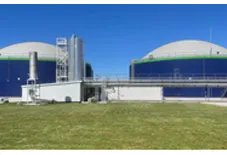
Fermentation starts when the heating unit brings the mix to about 38 °C (mesophilic).
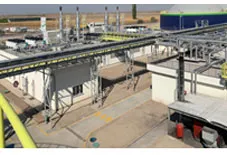
A membrane and gas-storage frame are fitted on the fermenter; the biogas produced is stored in the membrane system.
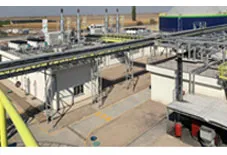
After fermentation, the organic fertilizer is transferred to the storage tank by the central pump.
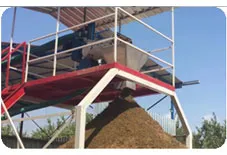
A separator splits the organic fertilizer into solid and liquid phases.
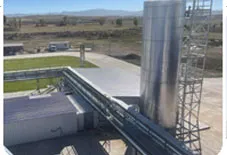
The gas is sent to the desulphurisation unit to remove hydrogen sulfide.
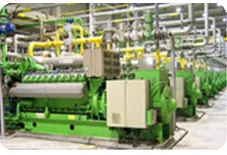
Desulphurised biogas with 50–60% methane is fed to the gas engine, which converts it into electricity and heat.

Part of the heat from the gas engine is used to heat the fermentation tanks.
If you have any questions or need help, feel free to contact our team — or call us any time.